Long-term rental investing in New Hampshire
Long-term rentals in NH work when the math works: durable tenant demand, a purchase price the rent can carry, and honest numbers for taxes, heat, and maintenance. I own LTR property here myself, so this page reflects how I actually evaluate deals — not a pitch.
Fundamentals
Where NH's rental demand comes from
Start with the employment map. Manchester's Millyard and hospital systems, Nashua's tech corridor and its Massachusetts commuters, Concord's state government and healthcare base, and the Seacoast's ports and Portsmouth Naval Shipyard across the border in Kittery — these are the anchors that keep apartments filled.
New Hampshire adds a structural tailwind: there's no state income tax and no general sales tax, which keeps pulling workers north of the border. That demand shows up first in the rental market, in towns within commuting distance of those employers.
The counterweight is price. In premium towns — Bedford, much of the Seacoast — purchase prices have outrun what rent can carry. The workable LTR math in NH tends to live in the multi-family stock of cities like Manchester and Rochester, and in towns a ring or two out from the premium markets.
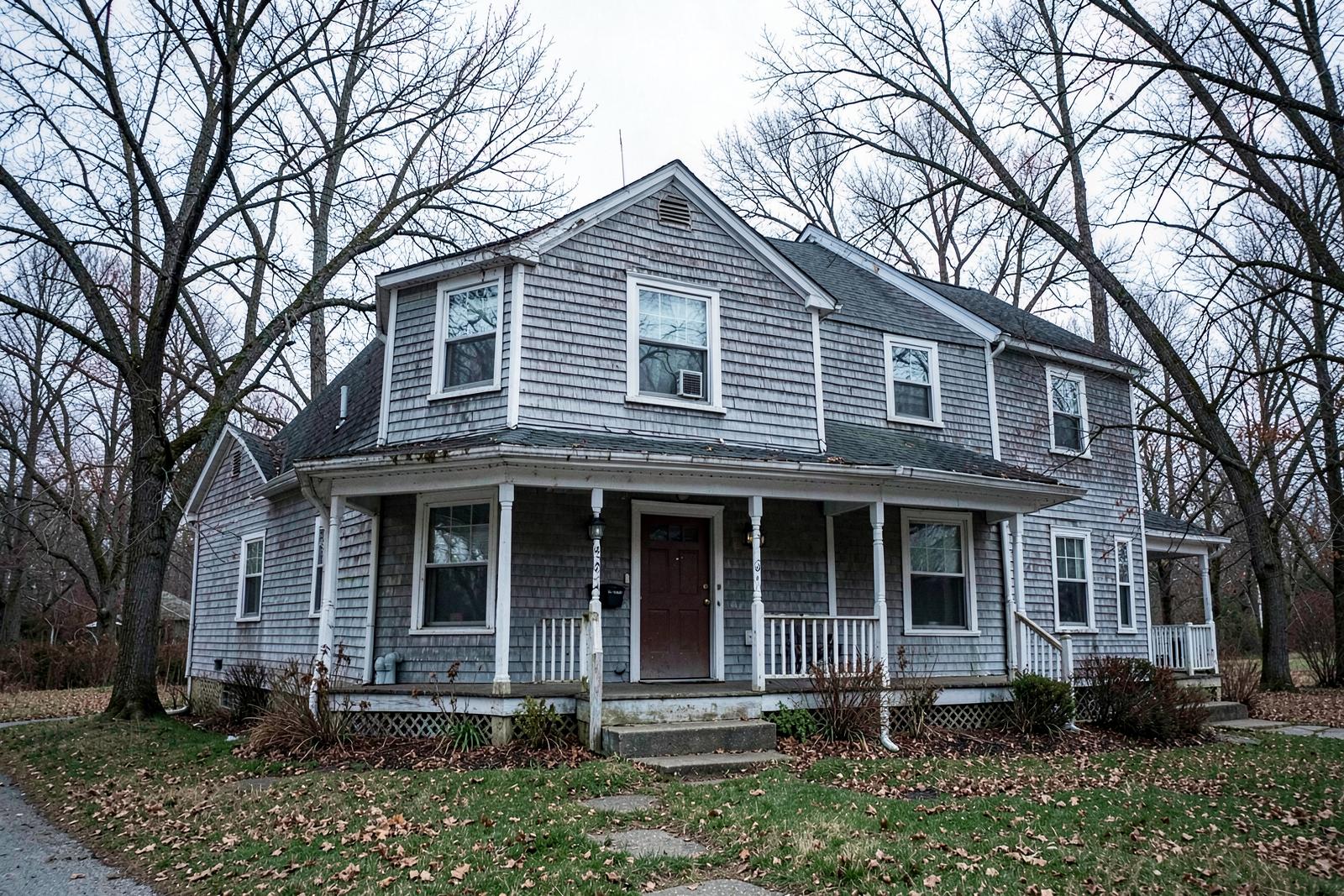
Deal evaluation
What I look at before you make an offer
- Rents from the ground, not a website. What comparable units in that town actually leased for in the last 90 days — not what landlords are asking.
- The real expense stack. NH property taxes vary enormously town to town, and heat type (oil, gas, electric) changes both the bill and who pays it. Both belong on the page before you offer.
- Systems, not finishes. Roof, heating, electrical, and plumbing ages drive your capital budget. Granite countertops don't pay for a furnace.
- Vacancy by town, not by state. A statewide vacancy statistic tells you nothing useful. What matters is the specific market your unit competes in.
Questions
What LTR investors ask me
What kind of returns should I expect?
I don't quote return figures on a website, because the honest answer depends entirely on the deal, the town, and your financing. What I will do is sit down with a specific property and work through real rents, real taxes, real expenses with you — and let the numbers say yes or no.
Is NH landlord-friendly?
Reasonably so. There's no rent control, security deposits are capped at one month's rent or $100 (whichever is greater), and the eviction process runs through the circuit court on defined timelines. Knowing RSA 540 before you buy is worth an evening of reading — I'll point you at the parts that matter.
Multi-family or single-family to start?
In NH, two-to-four-unit properties are often the efficient entry: one mortgage, multiple rents, and owner-occupied financing if you live in one unit. Manchester's triple-deckers are the classic example. Single-family works too — it just concentrates your vacancy risk in one tenant.