Selling your home in New Hampshire
Your town's assessed value is a tax number, not a market price — and in most NH towns it trails what buyers are actually paying. Pricing a home correctly starts with a comparable-sales report: recent closed sales of homes like yours, adjusted for the ways they differ.
The assessment problem
Why your tax card isn't a price opinion
New Hampshire towns assess property for one purpose: dividing the tax levy fairly. Most towns reassess on multi-year cycles, many use mass-appraisal models that never set foot inside your home, and nearly all are working from data that's already old the day it's published.
The market doesn't wait for that cycle. In towns where prices have moved — and most of southern NH has moved — the number on your tax card can sit well below what a buyer would pay this month. I've also seen the reverse in pockets where assessments caught up faster than the market did. Either way, it's the wrong tool for pricing.
What I won't do is quote you a dollar figure on a website. What I will do is build you a report from real closed sales and walk you through every line of it.
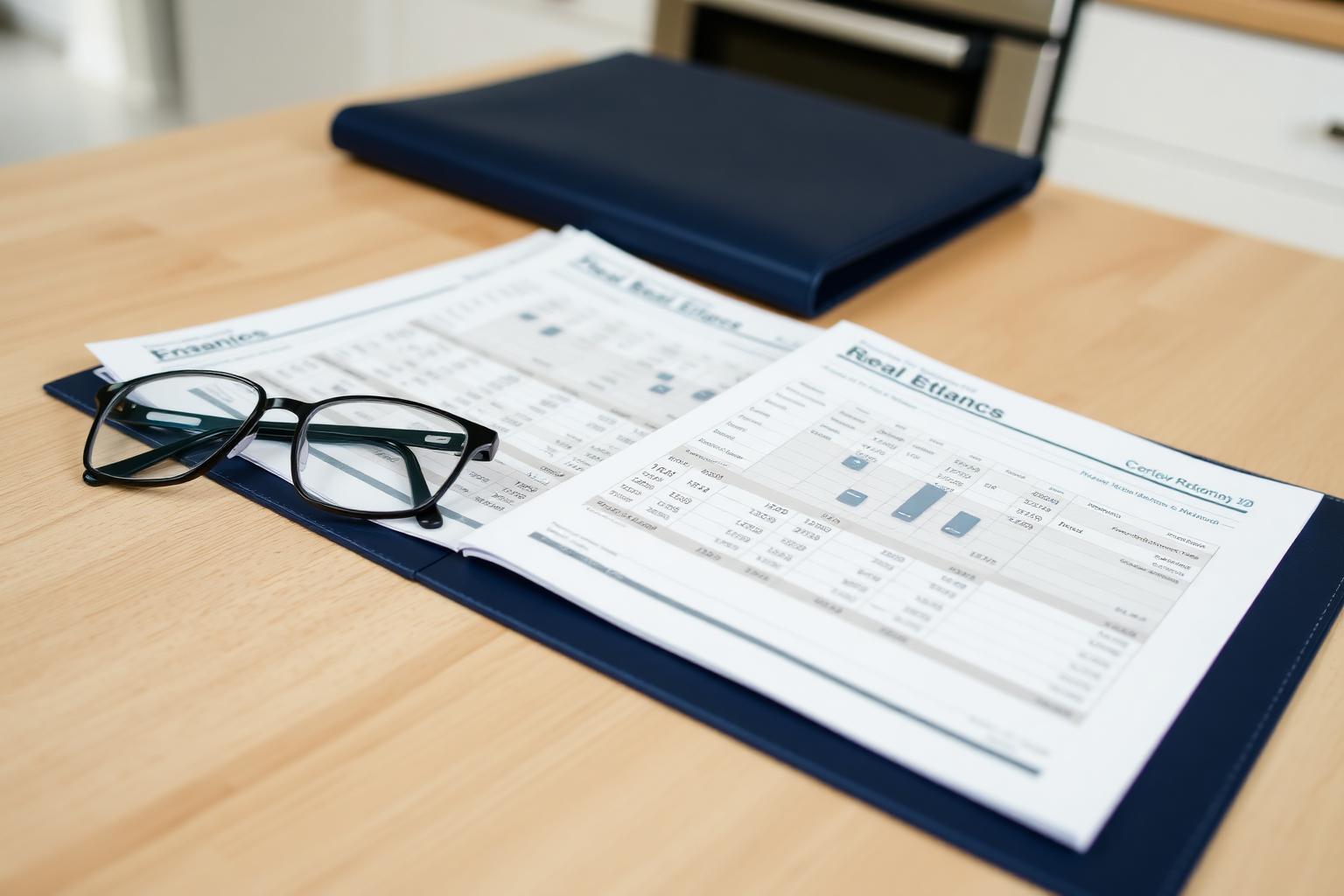
The better tool
How a comparable-sales report works
- Select the comps. Recent closed sales — not active listings, not asking prices — that match your home's location, size, age, and condition as closely as possible.
- Adjust for differences. A finished basement, a new roof, a two-car garage, a busy road. Each difference between the comp and your home gets a reasoned adjustment, and I show you each one.
- Read the market's direction. Pending sales and current competition tell us where things are heading, so the price reflects this month — not last quarter.
Questions
What sellers ask me
Is my assessment really that far off?
Often, yes — and in both directions. The gap depends on when your town last reassessed and how fast your segment of the market has moved since. The only honest answer comes from current closed sales, which is exactly what the comp report is for.
What will selling cost me?
Sellers customarily pay half of the NH real estate transfer tax ($0.75 per $100 of the sale price), the brokerage commission, any concessions you agree to during negotiations, and prorated property taxes through the closing date. I'll lay out a net sheet before you list so you know what you walk away with.
When should I list?
Spring is the traditional answer, but well-prepared homes sell in every season in NH — and winter inventory is thin, which can work in a seller's favor. The better question is when the house is ready and your next step is planned. That's a conversation, not a calendar rule.